
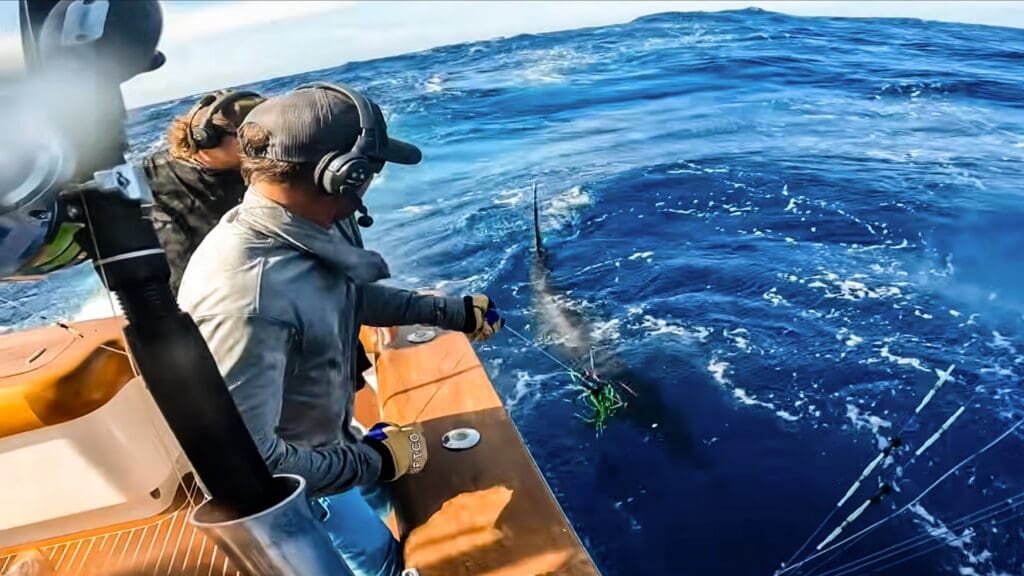
There was a time when a big billfish tournament ended at the dock. Fish came in. Crowds gathered. Scales swung. Pictures were taken. That was the moment everyone waited for.
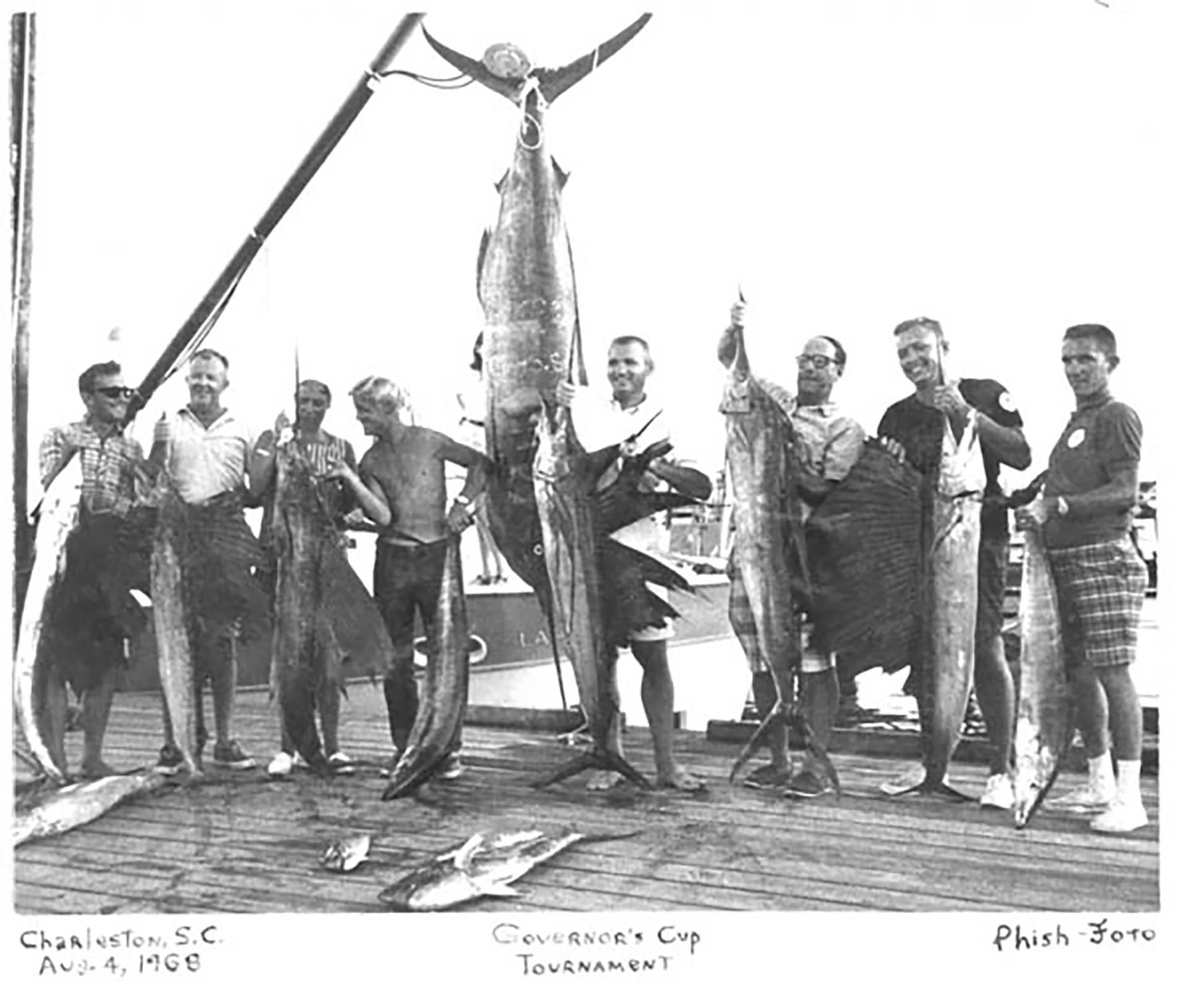
But over the years, something important changed along the South Carolina coast. The Governor’s Cup Billfishing Series helped shift the focus from what came back to the dock to what went back into the ocean.
That change did not happen by accident.
Today, the Governor’s Cup is still a serious competition. Boats still run offshore before daylight. Captains still read water, bait, current, temperature, and instinct. Crews still work hard for every bite. But underneath all of that tournament energy is something bigger: science.
Every released billfish tells part of the story.
When anglers report a release, they are giving South Carolina Department of Natural Resources information that is hard to get any other way. Estimated length, species, location, tackle used, number of hooks being fished, release numbers, photos, and other details all help biologists better understand what is happening offshore.
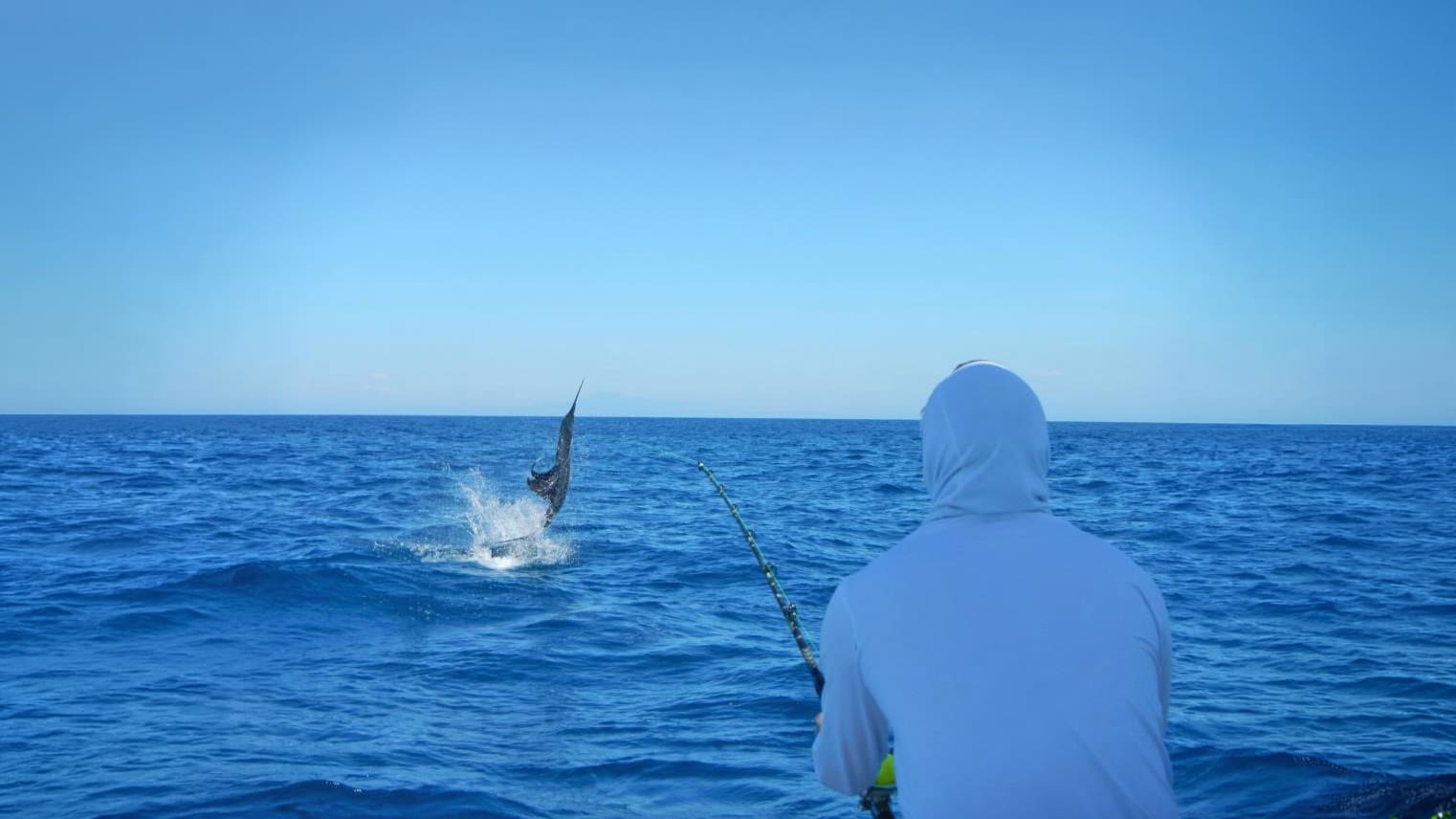
That is a big deal, because billfish do not exactly make themselves easy to study. They move across huge areas of ocean. They cross state lines, federal waters, and international boundaries without slowing down for anyone’s clipboard.
So the anglers become part of the research.
That may be one of the most powerful parts of the Governor’s Cup. It turns a day of fishing into something that matters long after the boat is washed down.
The data collected through the Series helps support conservation, research, and education. It gives DNR a clearer picture of billfish activity off South Carolina, including when fish are showing up, where they are being caught and released, what species are being encountered, and how angler behavior is changing over time.

The Hampton Wildlife Fund has been part of that story from the beginning.
The Fund has long supported wildlife, marine resources, outdoor education, and conservation efforts across South Carolina. In the case of the Governor’s Cup, its role helps connect the fishing community to the larger mission behind the Series. It is not just about putting on events or celebrating winners. It is about supporting the people, programs, and partnerships that keep South Carolina’s natural resources healthy and accessible for the next generation.
That partnership matters because good conservation usually takes more than one group pulling on the line. DNR brings the science and management. Anglers bring the time on the water and the observations that only come from being offshore. The Hampton Wildlife Fund helps strengthen the bridge between those worlds, supporting the kind of conservation work that turns participation into progress.
And that progress has changed the culture.
In the past, most billfish caught in tournaments were brought back to the dock. Today, nearly all of them are released. That shift says a lot about the anglers, the Series, and the conservation ethic that has grown around it.
Winning no longer has to mean hanging a fish on the scale. Now, a clean release can be the win. A good report can help the science. A photo can help confirm a species. A single data point can become part of a record that helps managers make better decisions for the future of the fishery.
That is where South Carolina wins big.
Not because the tournament belongs only to the scientists, but because the anglers are helping create the science. They are providing real information from real days offshore, in real conditions.
That kind of long-term, angler-powered data is incredibly valuable. It can help track trends, support stock assessments, inform management decisions, and show the true impact of responsible sportfishing. It can also help protect access by showing that South Carolina’s billfish community is serious about conservation.
The Governor’s Cup works because it does not ask anglers to give up the thrill of competition. It simply raises the value of what happens during it.
The boats still chase fish. The crews still chase points. The docks still fill with stories. But now, many of the most important victories are swimming away.
That is the real science behind the Governor’s Cup. It is not cold or distant. It is built on salt, sweat, reports, releases, and trust between the fishing community and the people working to protect the resource.
Every release adds to the record. Every report sharpens the picture. Every season helps tell the next chapter of South Carolina’s bluewater story.
And when the fishery wins, everybody wins.